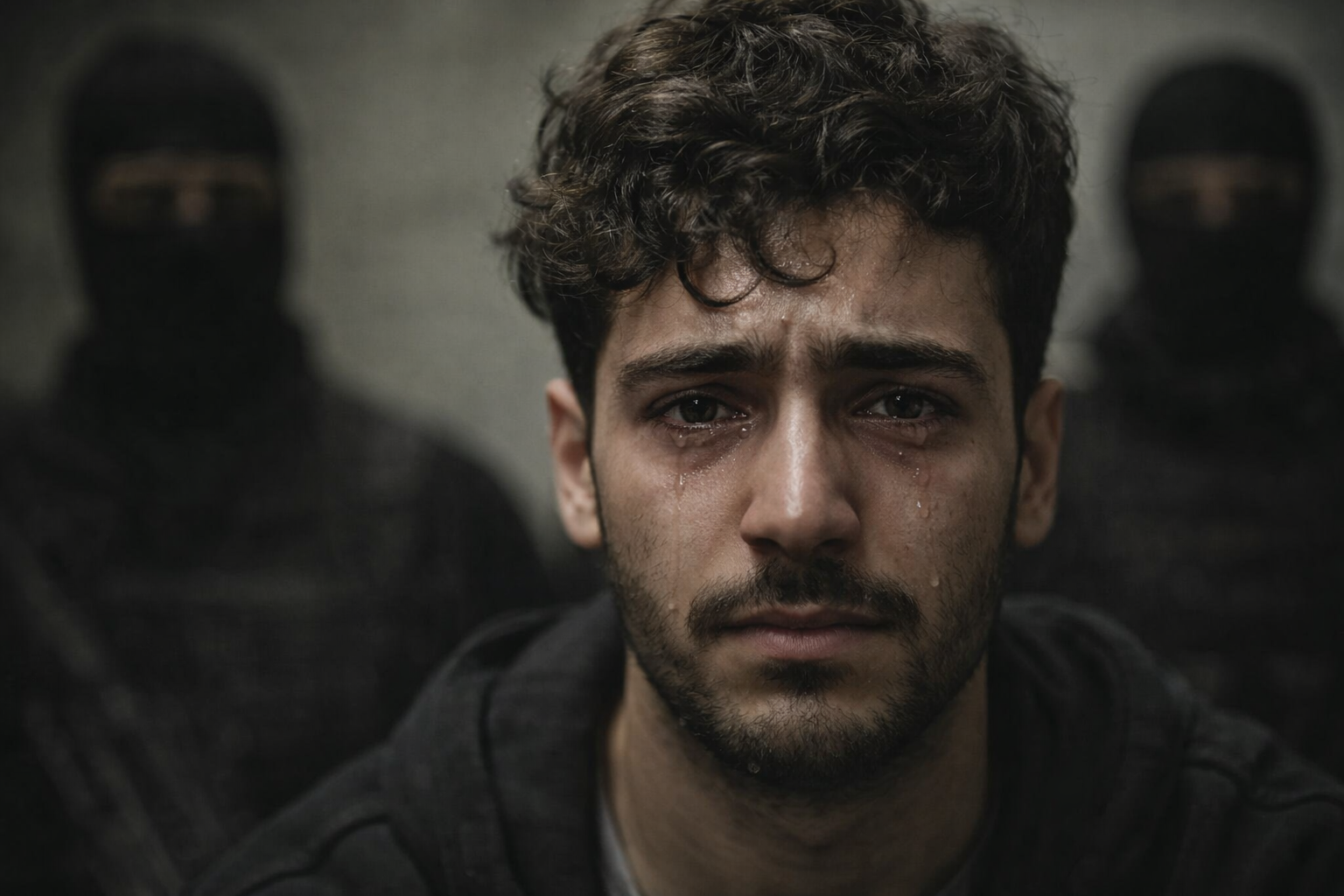
Erfan Soltani, a 26-year-old Iranian protester, has become one of the most symbolic figures of the ongoing nationwide protests against the Iranian government. Soltani was arrested during demonstrations in Fardis, Karaj on January 8, 2026, and swiftly sentenced to death under charges related to his participation in anti-government protests, in what rights groups have described as a flawed and rapid judicial process without due process or access to legal representation.
Reports from human rights organizations and Soltani’s family indicated that his execution was scheduled to be carried out on January 14, 2026, marking what would be the first known execution of a protester in connection with the 2025–2026 protests. The sentence drew international attention and widespread criticism, with rights advocates warning that such use of the death penalty could set a dangerous precedent amidst ongoing repression.
However, in a dramatic turn of events, Iranian prison authorities postponed Soltani’s execution hours before it was due to be carried out, without providing any concrete explanation to his family or public justification. His family received notice of the postponement but continues to live in fear, as no definitive cancellation of the sentence has been confirmed and access to clear information remains limited due to government censorship and communication restrictions.
A Symbol of Resistance and Risk
Soltani’s case has resonated deeply among Iranian citizens and the global human rights community. Despite not being widely known before his arrest, he has become a symbol of the harsh punitive measures faced by ordinary Iranian protesters and the risks of voicing dissent. Human rights groups have repeatedly condemned the alleged lack of fair trial standards, denial of legal counsel, and the rapid escalation from arrest to death sentence — all occurring in the context of a nationwide internet blackout and crackdowns on free expression.
Although the execution did not proceed on the originally scheduled date, Soltani’s life continues to be at risk. International advocacy and public outcry appear to have played a role in preventing immediate execution, offering a temporary reprieve. Yet, with the Iranian judicial system’s opacity and history of using capital punishment as a tool of political suppression, his situation remains precarious.
A Call for Continued Awareness
The ongoing uncertainty surrounding Erfan Soltani underscores the broader human rights crisis in Iran. While the postponement of his execution demonstrates that international attention can exert pressure, it also highlights the critical need for continued documentation, reporting, and global advocacy in support of those facing repression.
Update — 1 February 2026
On 15 January 2026, the Swedish newspaper Dagens Nyheter reported that the planned execution of Erfan Soltani had been stopped. The report also stated that Iran’s foreign minister had announced that no executions would be carried out that day.
Later, the judiciary of the Islamic Republic claimed that no death sentence had ever been issued against Soltani and stated that the charges attributed to him—“collusion against internal security” and “propaganda against the system”—did not carry the death penalty. This official account contradicted earlier reports from Soltani’s relatives and human rights sources indicating that he had been sentenced to death and that his execution had been scheduled for 14 January.
On 1 February 2026, media reports stated that Soltani had been released on bail. Although the reported execution was stopped and the immediate threat appeared to have been removed, the conflicting accounts surrounding his case demonstrate the lack of transparency and legal certainty faced by political detainees in Iran.
Sources:
Dagens Nyheter: “Avrättningen av Erfan Soltani stoppad”
https://www.dn.se/varlden/avrattningen-av-erfan-soltani-stoppad/
Iran International: “Iran judiciary says detained protester Erfan Soltani not sentenced to death”
https://www.iranintl.com/en/202601151859
ITV News: “Erfan Soltani: Iranian protester released after death penalty threat”
https://www.itv.com/news/2026-02-01/erfan-soltani-iranian-protester-released-after-death-penalty-threats